
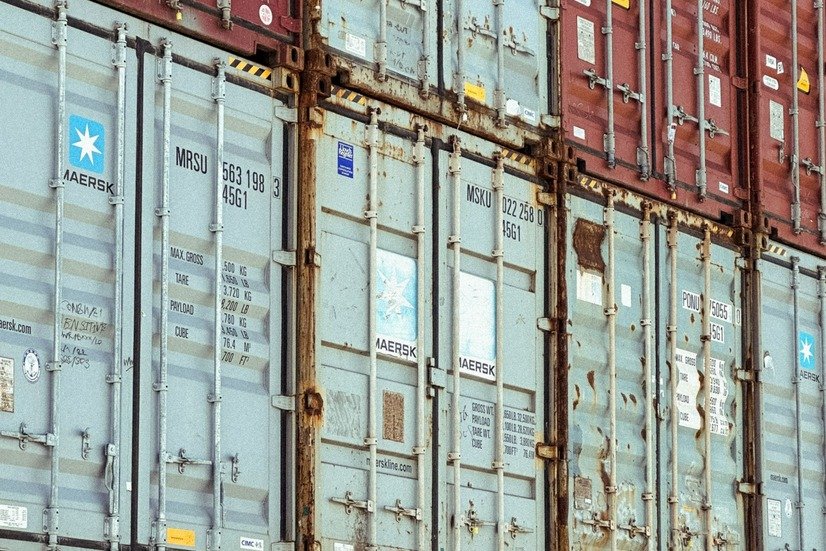
Azerbaijan is introducing stronger controls over imported non-food consumer goods in order to ensure compliance with technical and safety requirements. The relevant legislative amendments were approved on July 13, 2026, and are scheduled to enter into force on September 5, 2026. The changes primarily concern products that are subject to technical regulations and referenced standards.
Importers will be required to provide customs authorities with documents confirming that such goods satisfy the applicable safety requirements. Depending on the product, the required documentation may include a certificate of conformity or a declaration of conformity. Azerbaijan will also recognize certain conformity documents issued in foreign countries where the applicable legal requirements allow this.
Customs authorities will receive additional powers to verify the existence and validity of the required documents during import procedures. Corresponding amendments will therefore be made to provisions of the Customs Code governing customs powers and forms of control. The new framework is intended to prevent goods that have not undergone the necessary conformity assessment from entering the Azerbaijani market. It forms part of a broader effort to strengthen product safety and improve the effectiveness of import supervision.
Under Azerbaijan’s Law on Technical Regulation, products that do not comply with applicable technical regulations may not be produced, sold, imported or used in the country. The same restriction applies where conformity assessment is required but has not been properly completed. The new customs mechanism is intended to make these existing substantive requirements more effective at the border.
Instead of addressing non-compliant products only after they enter commercial circulation, authorities will be able to check the relevant documentation during customs clearance. This approach may reduce the risk that unsafe or improperly certified products reach consumers. The legislation also aims to ensure that imported products and locally manufactured goods are subject to comparable safety standards. According to the authorities, this should contribute to a more balanced competitive environment for domestic producers and foreign suppliers.
The measures are intended to address risks not only to human life and health but also to the environment, property and other protected public interests. For importers, documentary compliance will consequently become an increasingly important element of market access. Businesses dealing in regulated non-food products should therefore review whether their existing certificates and declarations satisfy the new customs requirements.
The legislation provides for a transitional mechanism intended to give businesses time to adapt. A 24-month transition period will apply in relation to imported goods after the relevant technical regulations and referenced standards enter into force. This approach is intended to prevent an abrupt disruption of established supply chains while allowing importers to adjust their compliance procedures. Companies may nevertheless need to begin reviewing their documentation before the end of the transitional period.
Particular attention should be given to products sourced from jurisdictions whose conformity documentation may require separate recognition in Azerbaijan. Importers should also ensure that the information provided to customs authorities corresponds to the actual goods included in each shipment. The new requirements may influence contractual arrangements with manufacturers, distributors and certification bodies outside Azerbaijan.
They may also increase the importance of maintaining organized technical files and records supporting product conformity. The presidential decree concerning implementation of the legislation, signed on August 6, 2026, will also enter into force on September 5. The reform represents a significant step toward closer integration of technical regulation and customs control in Azerbaijan’s consumer goods market.